Sites Assessed Against Real Data
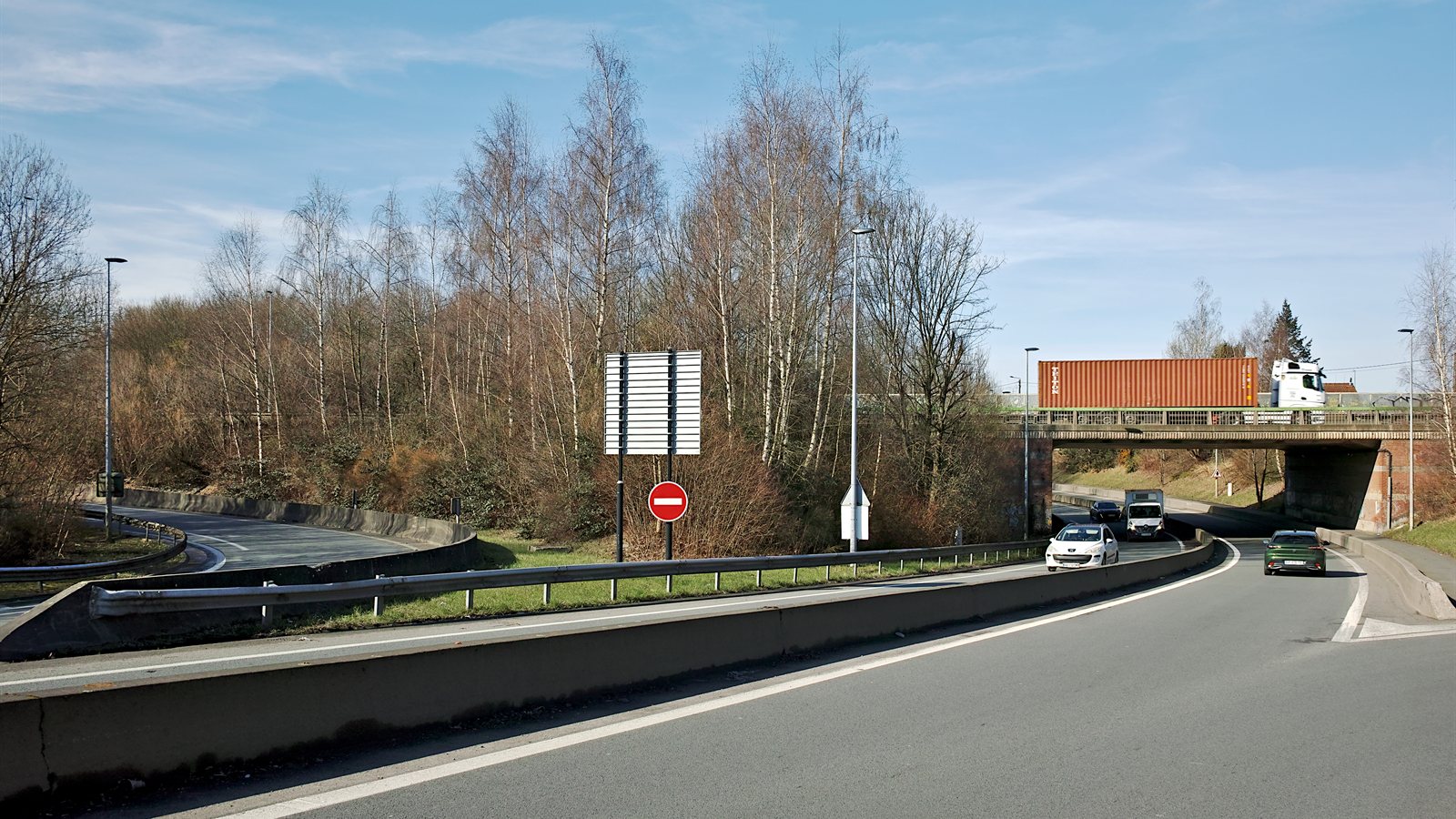
Every proposed location is assessed using traffic counts by hour and direction, the position of competing stops within twenty kilometres, the ease of entry and exit for cars and lorries, visibility distance at the approach speed, and the seasonal profile of the road. We reject roughly two-thirds of the sites franchisees bring us, and we explain exactly why in writing. A refusal is not a negotiating position: a unit on the wrong side of a fast road with a difficult turn will not make money regardless of how good the chicken is.
A Kitchen That Handles Peak
The kitchen specification is derived from the busiest hour ever recorded across the network rather than from an average. Fryer capacity, rotisserie size, cold storage, holding equipment, extraction, the position of the pass and the walking distances between stations are all fixed, and the layout is drawn for each site rather than copied. A unit that can produce two hundred and forty covers in a peak hour without the queue stalling is the single biggest determinant of its annual result, and it cannot be retrofitted cheaply.
Fourteen Items, No Exceptions
The menu is short by design: fried chicken by the piece and the bucket, rotisserie halves and wholes, two sandwiches, wraps, chips, three sides, two desserts and drinks. It is costed to the gram, tested at volume, and identical across the network so that purchasing, training and stock control all work at scale. Franchisees may run two local specials a year with our approval. Everything else stays fixed, which is unpopular in month three and universally appreciated by month eighteen.
Training Before, Not After
Franchisees complete four weeks in an operating unit before their own opens: two weeks on the line, one on management systems and one on financial control, all assessed. Their first three supervisors train alongside them at no additional cost. An opening team of four experienced staff works on site for the first ten days and returns for a review at week six. Refresher modules run twice a year, and new procedures are delivered as short practical sessions rather than as documents nobody reads.
Supply at Group Prices
Chicken, oil, packaging, drinks and equipment are bought under group agreements negotiated across all thirty-four units, with prices published to franchisees in full. We take no rebate or hidden margin from suppliers; the agreements exist to lower cost, not to create a second income for the franchisor. Delivery schedules are built around each unit's trading pattern, and a shortage anywhere in the network is covered from another unit's stock rather than left to the individual operator to solve.
Support That Turns Up
Every unit is visited by its area manager at least every two weeks, with a structured review of sales, margins, labour, waste, cleanliness, speed of service and customer feedback, followed by two or three specific actions rather than a general exhortation to do better. Underperforming units receive additional support rather than a warning letter. Franchisees also meet as a group four times a year, and roughly a third of the changes we make to the system originate from those meetings.